

Porto, Portugal
Timeless streets. Honest advice.
A small city built down a gorge, where twenty minutes uphill changes the price and the sleep. The neighbourhoods, the sights worth the queue, and where to actually stay.
The essence of Porto
A city of stone, water and steep afternoons.
-
A city built downhill
Granite, azulejo and terracotta stacked down a gorge. Beautiful from the water, a staircase from inside.
-
Port, and everything else
The lodges are across the river. So is the view. The food is better and cheaper than the guidebooks suggest.
-
Small enough to walk
Half an hour across the centre on foot, if your knees agree. A tram and a metro line cover the rest.
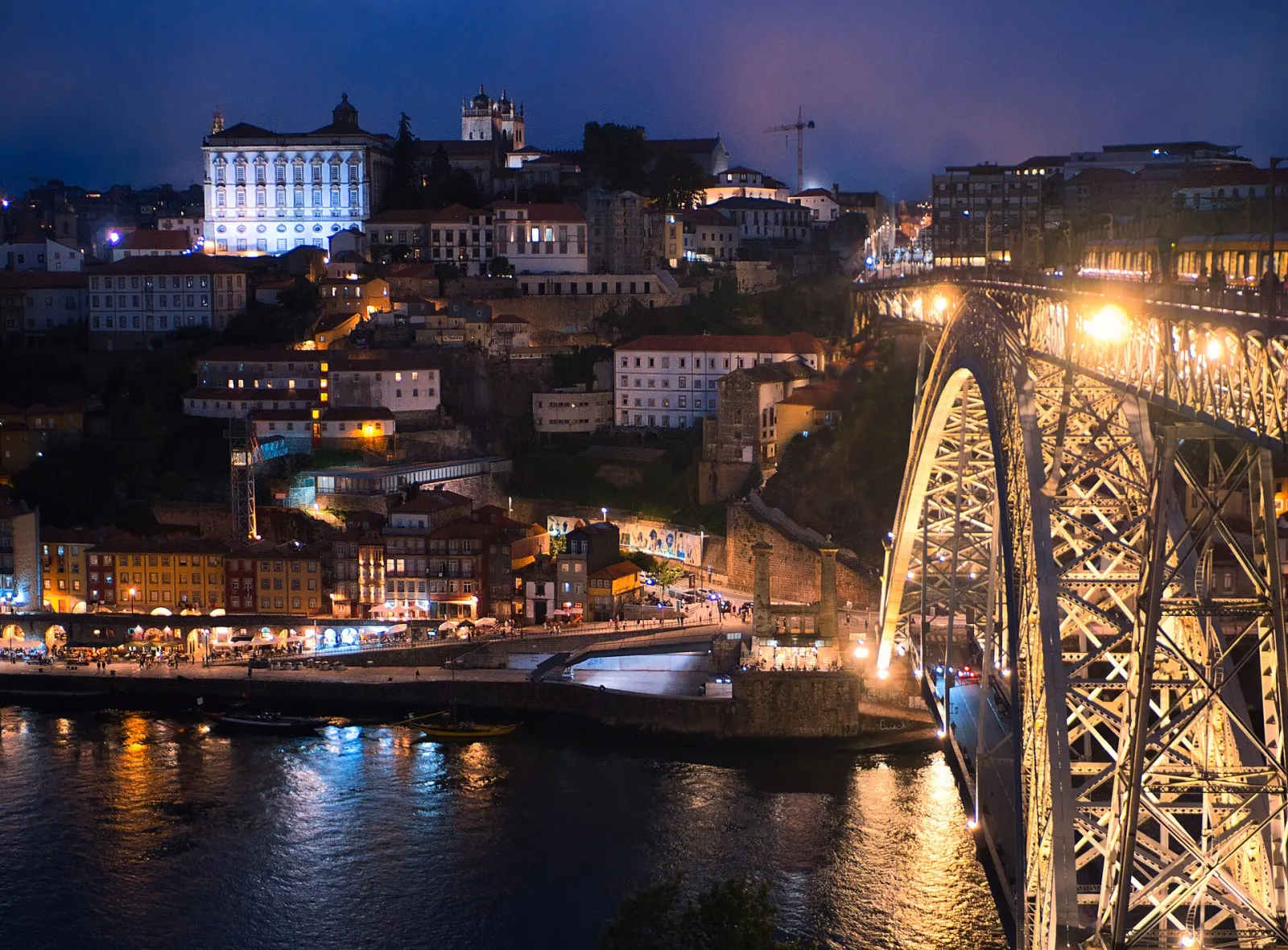
Porto sits on the north bank of the Douro, a few kilometres before the river reaches the Atlantic. The old town runs down the gorge to the water in a stack of terracotta roofs, and almost every photograph you have seen of the city was taken from the other bank looking up at it. From down there it is a postcard. From inside it, it is a staircase.
That is the single most useful thing to know before booking. Porto is compact — you can cross the centre on foot in half an hour — and it is steep enough that "walkable" is doing a lot of work in that sentence. Granite setts, narrow pavements, and a suitcase that will find every one of them.
It is also a working city rather than a museum. The market sells fish to people who live here, the trams are transport as well as a photo, and the port lodges across the river have been shipping wine for three hundred years. That is why it holds up over four days when a lot of prettier places do not.
Two things move the real cost of a stay more than the nightly rate. The municipal tourist tax is charged per person per night and collected separately at almost every property. And parking: much of the historic centre is restricted, the streets are steep and narrow, and a hotel with its own garage prices that in. Arriving by car changes which neighbourhoods make sense.
What to see
The famous places, and whether they are worth it
Four things almost every visitor puts on the list. Three of them earn it. All of them are within twenty minutes of each other on foot, which is the real argument for staying central.
-
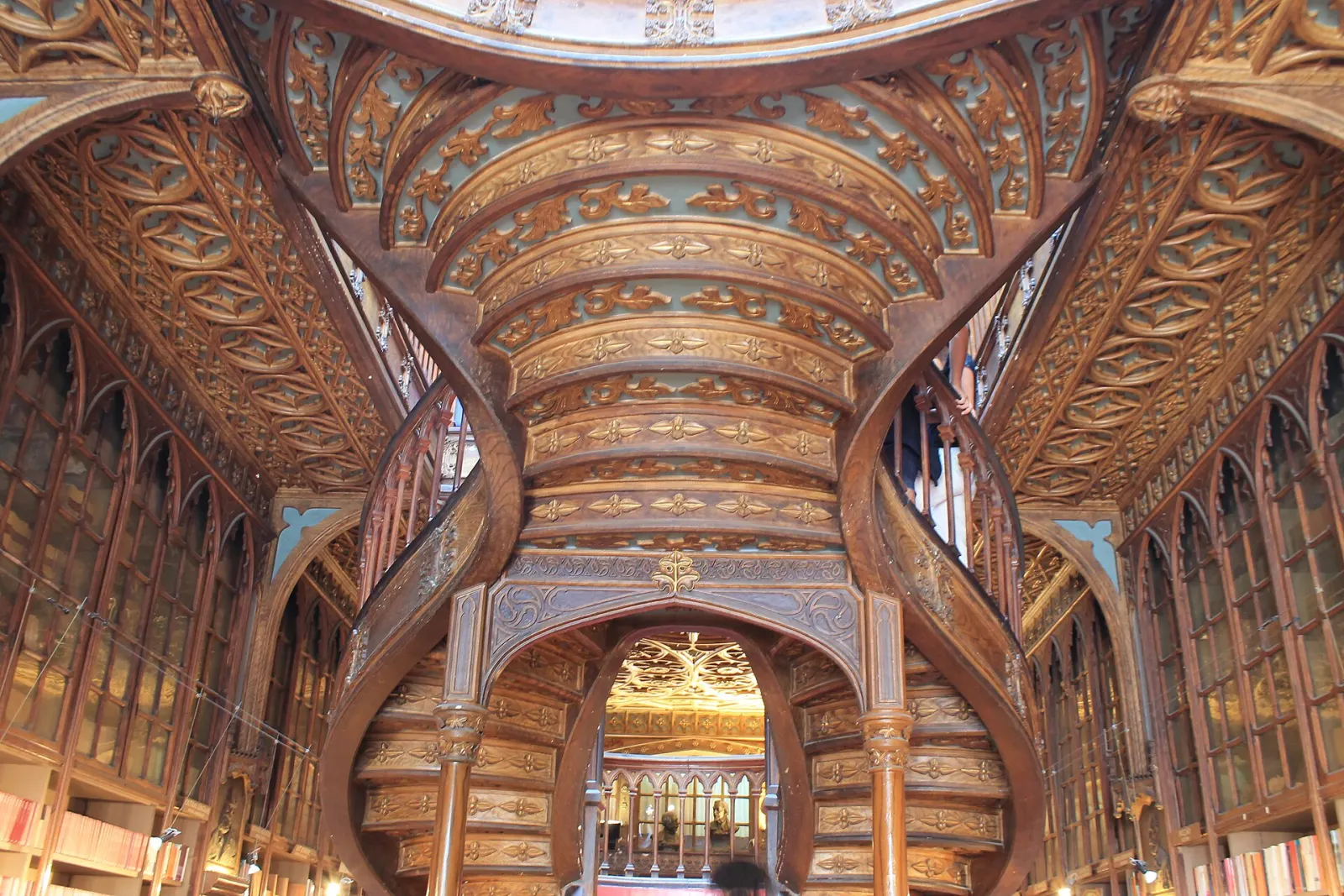
Livraria Lello
The bookshop with the crimson staircase. Beautiful, ticketed, and queued around the block by ten in the morning — go at opening or not at all.
-
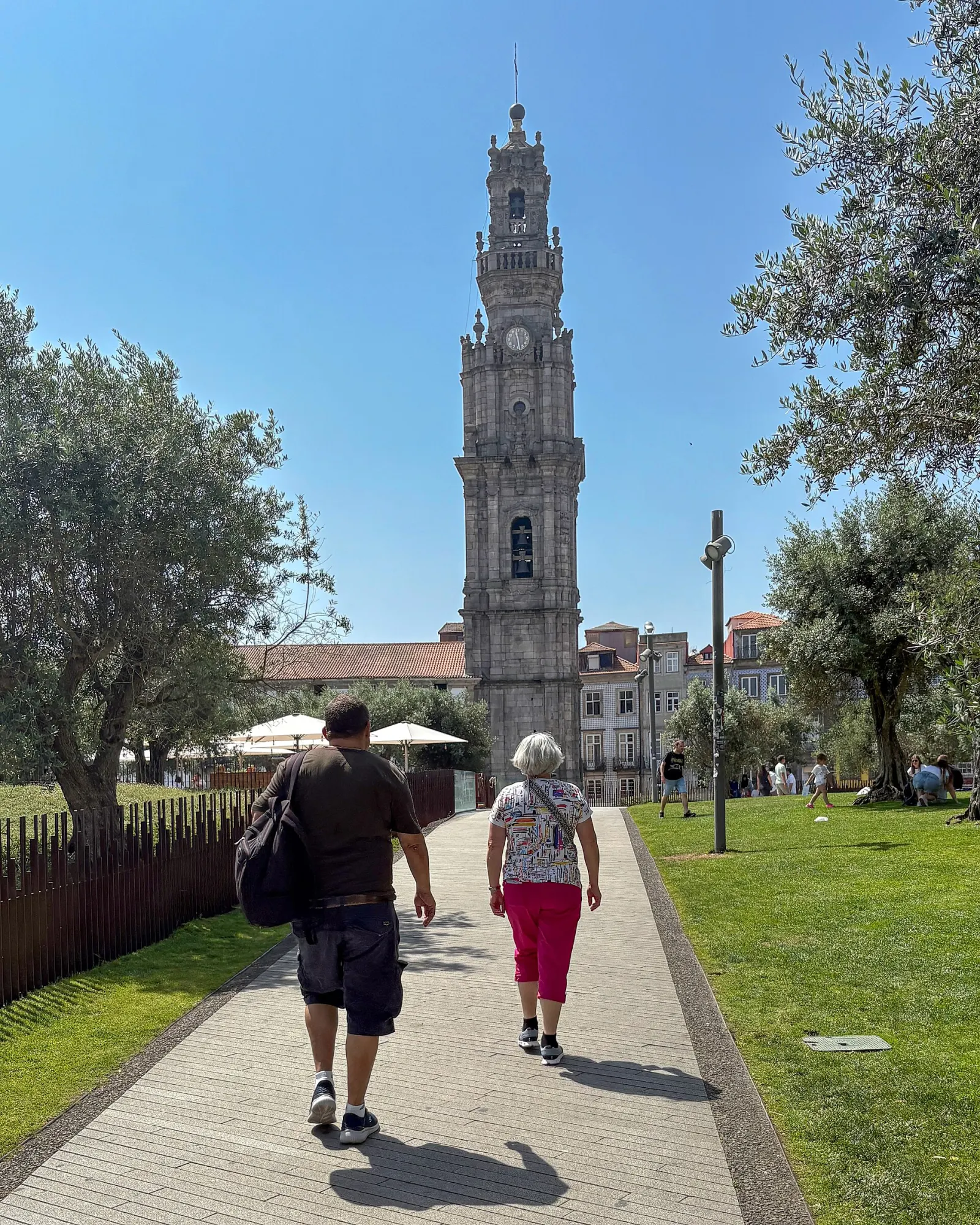
Torre dos Clérigos
Two hundred and twenty-five steps up a granite bell tower for the best view of the roofs. The stairwell is narrow and two-way; it is not a place to change your mind.
-
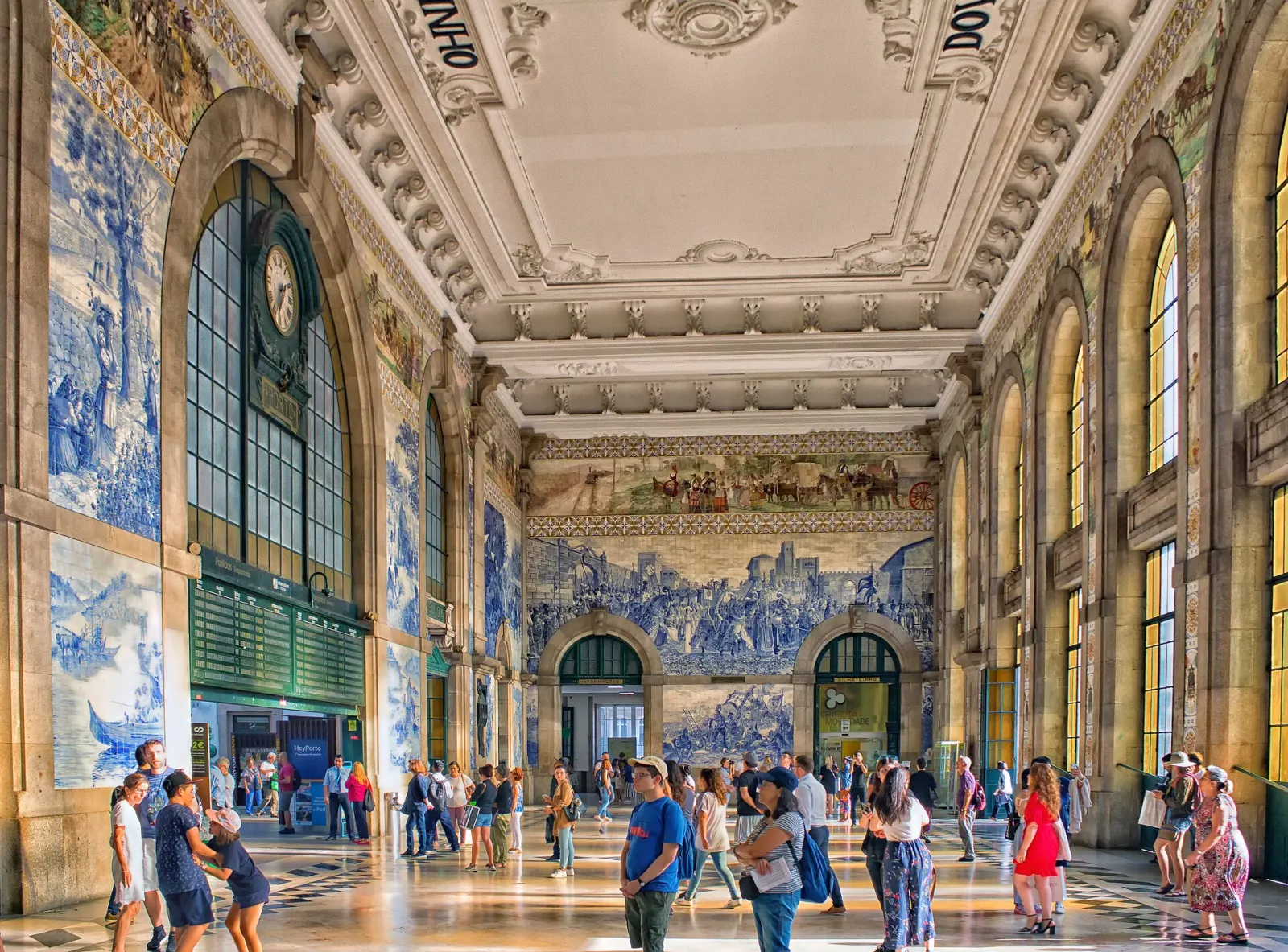
São Bento station
Twenty thousand azulejo tiles telling Portuguese history across the walls of a working station. Free, open, and most people walk straight through it to a train.
-
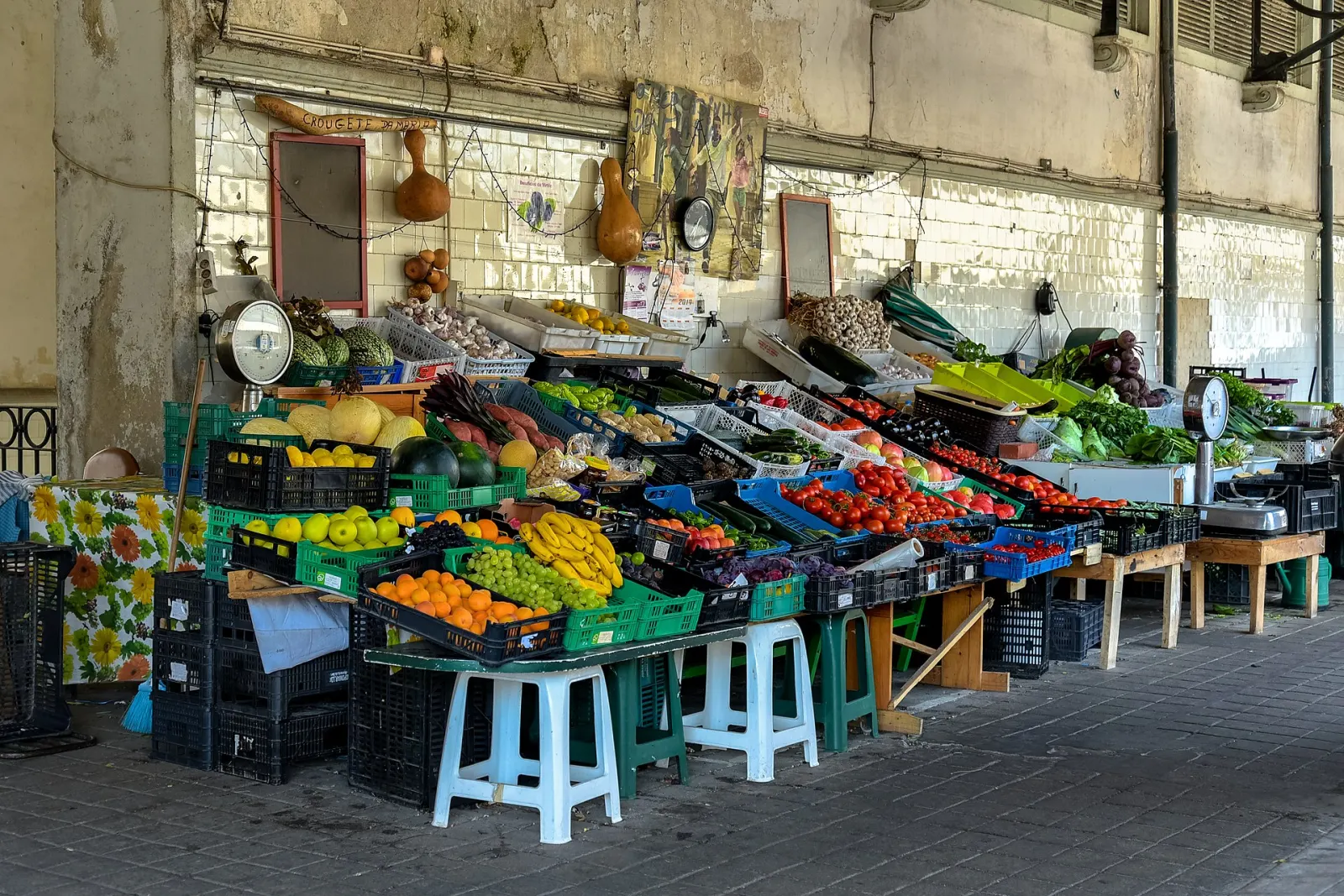
Mercado do Bolhão
The city market, reopened after a long restoration. Fish, flowers and produce downstairs, places to eat around the gallery above.
The shape of it
Where everything sits
The river runs west to the ocean, the old town climbs the north bank, and Vila Nova de Gaia faces it from the south. Everything else is a variation on that.
Open Porto in Google Maps 41.1579, -8.6291
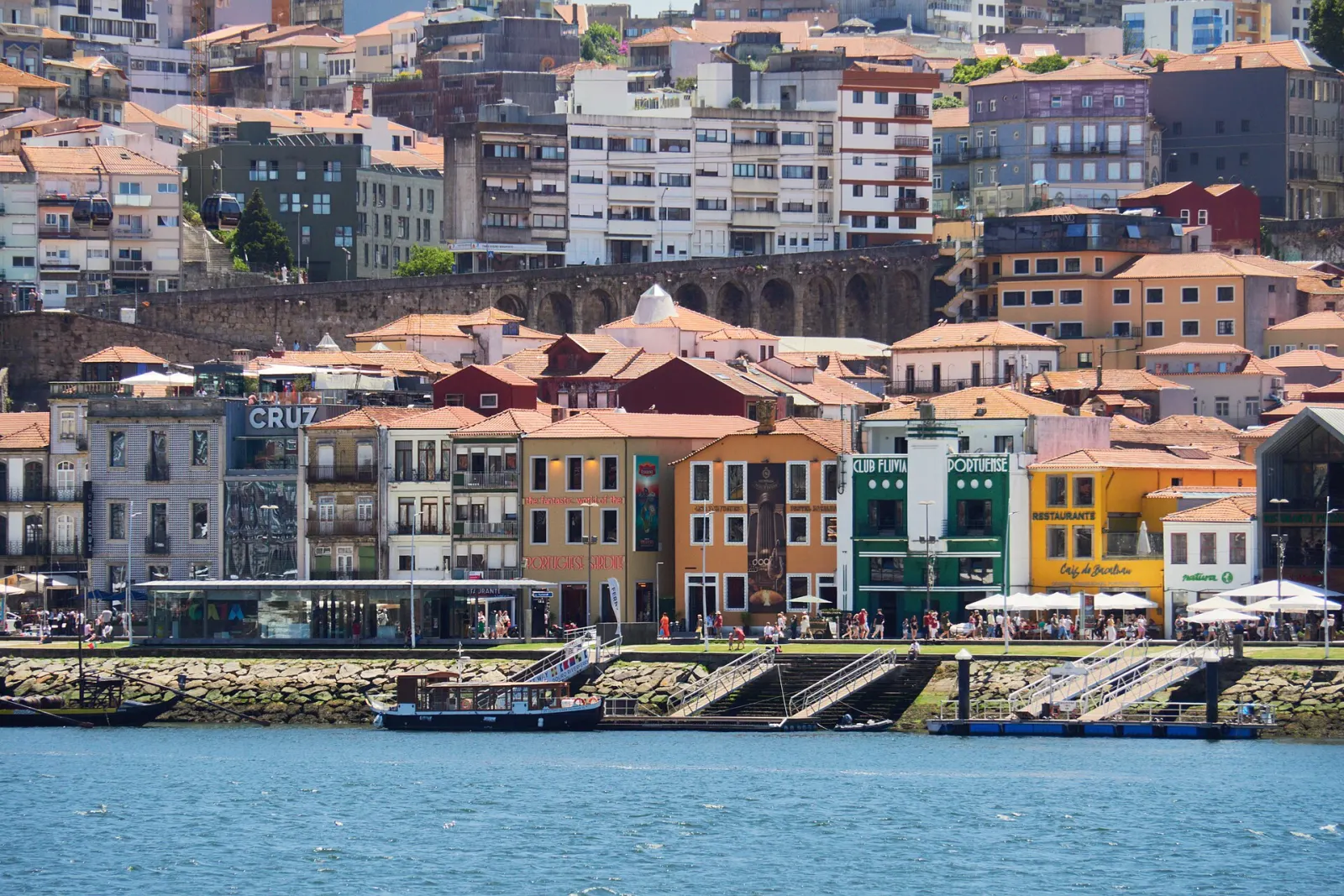
The other bank
Gaia is cheaper, and the view is better
Vila Nova de Gaia is a different municipality on the south side of the river. That matters twice: rates are lower for the same standard, and the view from your window is of Porto rather than from it — which is the view in every photograph you have seen of this city.
The cost is a bridge. Ten minutes across the upper deck of the Dom Luís I, or the cable car down to the quay, every time you go into town and every time you come back. Some people never notice. Some resent it by the second day.
- The port lodges are all on this side, and most run tours until early evening
- The upper deck of the bridge is a walkway — you do not need the metro
- Rates typically run below the old town for a comparable room
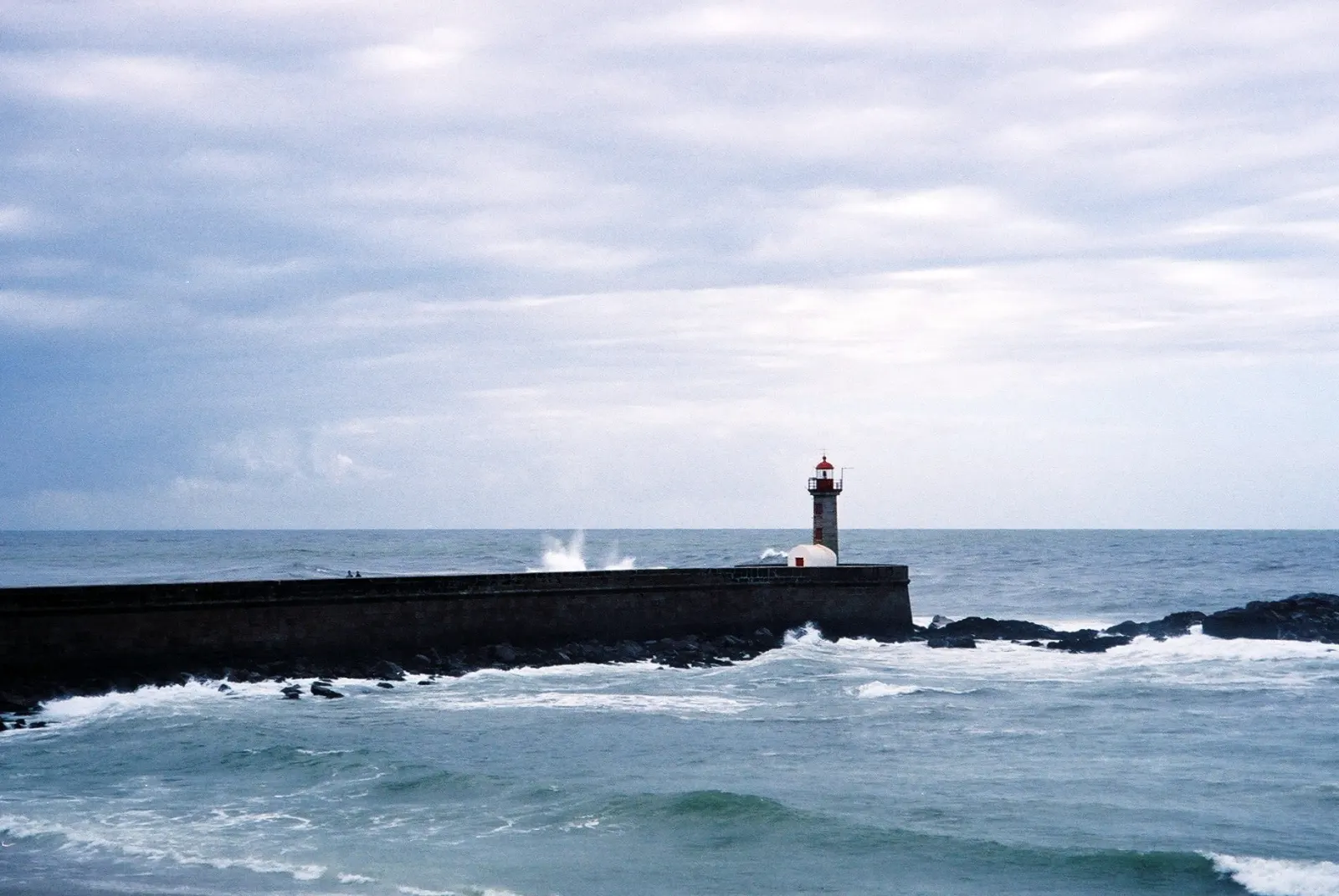
Where the river ends
Foz is a different holiday in the same city
Where the Douro meets the Atlantic, Porto stops performing. Foz has a wide promenade, cold sea, seafood, and none of the old-town crush. It is where the city goes at the weekend.
It is a genuine consideration in summer and a slightly odd base in February, when the wind comes straight off the ocean and half the restaurants thin out. Roughly seventy minutes on foot from the riverfront, or twenty on the tram.